Travel Insurance to Japan

japan-image

Why buy travel insurance for Japan?

Traveling to Japan is a fascinating experience, full of discoveries and unforgettable moments. To enjoy it to the fullest, it is essential to have travel insurance. Here's why!

First, medical care in Japan can be quite expensive, and insurance protects you from having to pay large sums in case of illness or accident. In addition, travel insurance offers medical assistance, giving you peace of mind during your stay.

If you have to interrupt your trip due to any unforeseen event, insurance can cover a very significant part of your trip. And if you have any type of incident during the trip or flight, we can also provide the assistance you need.

The loss, theft, or damage of your luggage can ruin any trip. You will receive assistance to recover your belongings or compensation for the loss, allowing you to continue enjoying your trip. Therefore, yes, travel insurance offers you financial protection, emergency assistance, and peace of mind, ensuring you can fully enjoy your experience in Japan.

Is travel insurance mandatory for Japan?

Currently, it is not mandatory to purchase travel insurance to enter Japan as a tourist; Japanese authorities do not require this at customs or as part of the entry process into the country. However, it is highly recommended to have one.

Japan is known for having an excellent quality healthcare system, but also for being one of the most expensive countries in the world for medical care. A simple doctor's appointment or an emergency room visit can entail a considerable expense if you do not have health coverage.

Furthermore, good travel insurance not only covers medical expenses but also other unforeseen events such as flight cancellations or delays, lost or stolen luggage, legal assistance, repatriation in case of emergency… etc. Therefore, even if it is not mandatory, traveling without insurance can pose an unnecessary risk that could ruin your experience in the country.

pexels-francesco-ungaro-96420

What is the best travel insurance for travelling to Japan?

With our VIAJERO PREMIUM insurance, you'll be protected at all times. We offer comprehensive coverage including medical assistance, protection against unforeseen events like lost luggage or cancellations, and personalized assistance so you can enjoy your trip without stress.

Imagine exploring Japan with the security of knowing that, in case of any eventuality, you have the backing of insurance with which you will be
protected at all times.

What are our coverages?

  • Up to 1.500.000€ in medical expenses.
  • Repatriation and medical transfers included.
  • Baggage protection (theft, loss, or damage) up to 1.500€.
  • Civil liability abroad, up to 60.000€.
  • 24-hour accident insurance, up to 30.000€.

Furthermore, the VIAJERO PREMIUM Insurance includes a cancellation module that covers more than 40 different causes, such as health problems, layoffs, or damage to your home. Complete your insurance with our additional modules:

Sports Module: If you plan to practice any sports activity, you will be protected against incidents, loss of equipment, or rescue expenses, covering everything from water sports to aerial activities, always in amateur mode.

Pre-existing Conditions Module: And if you have any pre-existing medical condition, this module guarantees assistance for unexpected complications during the trip, and even the possibility of cancellation if necessary.

pexels-tomas-malik-793526-3408354

How much does travel insurance to Japan cost?

When planning a trip, choosing the right insurance is a key decision for traveling with complete peace of mind. Beyond meeting a requirement, it's about protecting yourself against any unforeseen events that may arise during your adventure.

Factors such as the number of people insured, the coverage included, the length of the trip, and the destination are essential when purchasing your insurance. That's why, at Europ Assistance, we offer you a comprehensive and affordable solution. With our PREMIUM TRAVELER insurance, you can be covered from just 56,81€ for a week of travel. A minimal investment when compared to the total cost of a trip to a destination like Japan, where any unforeseen medical expenses can be very high. Therefore, there's nothing like traveling knowing you're covered from the very beginning.

What is the risk of not taking out travel insurance for Japan?

Going without travel insurance in Japan means taking unnecessary risks that can affect your well-being and your wallet. Medical care in this country is of very good quality, but it is also very expensive for foreign tourists. In addition, Japan is a country with high seismic activity, which can cause unforeseen cancellations or interruptions to your trip.

And don't forget how common it is to miss connections or lose luggage on long flights with layovers: if your suitcase gets lost or damaged, it is very likely to result in a significant financial outlay.

Not having insurance in Japan means exposing yourself to unforeseen events in a distant country, with a different language and culture, without a support network. Is it really worth risking everything by not having comprehensive protection?

What should you know before traveling to Japan?

Documentation
Before starting your adventure in Japan, make sure you have everything essential to enjoy it without setbacks. Check that your passport is valid, find out if you need a visa according to your nationality, and don't forget to purchase travel insurance that protects you against any unforeseen events. Additionally, an eSIM card is an excellent option to stay connected from the very beginning, without complications or additional costs.

pexels-adrian-agawin-1386430-2767767

Cards

Although Japan is a very technologically advanced country, the use of cash is still very common, especially in rural areas, small shops, or traditional restaurants. Therefore, we recommend carrying an adequate amount of Japanese Yen, the local currency. As a reference, 1 euro is approximately equivalent to 150 yen, although the exchange rate may vary.

In addition to cash, make sure your credit or debit cards are valid for international use. It is advisable to notify your bank before the trip to avoid blocks due to suspicious activity abroad. With these details sorted, you can travel around Japan more comfortably and without surprises.

Connectivity

Don't forget to bring plug adapters for your electronic devices and a rechargeable transport card like the Suica or Pasmo (Japan transport cards) to easily get around the different cities. Have you heard of Hyperdia? It is a detailed application about train schedules, routes, prices, and travel times in Japan. And what about the Japan Rail Pass? It's a fantastic option for exploring Japan economically and efficiently. This pass allows you unlimited travel on most trains operated by Japan Railways, including the famous Shinkansen bullet trains, for a set period.

Finally, there is a tax known as the Sayonara tax which amounts to 1000 yen (6,7€) that applies to those leaving Japan after stays of more than 24 hours. It is usually included in the ticket and is used to improve the country's tourism infrastructure.

What are the best dates to travel to Japan?

If you are planning your trip to Japan, spring and autumn are the ideal seasons to fully enjoy its natural beauty and culture. Between March and May, the country dresses in pink with the cherry blossom, creating unique landscapes and perfect weather for exploring. In autumn, from September to November, warm colors dye the parks and temples, offering an unforgettable visual experience.

Furthermore, being less crowded seasons, you can discover magical places more calmly, such as the Arashiyama bamboo forest, the zen gardens of Kyoto, or the crystal-clear beaches of Okinawa.


Want to know more about Japan?

Immerse yourself in Japanese culture

Traveling to Japan is much more than visiting temples and trying sushi: it's entering a world full of traditions, unique customs, and a deep respect for others.

In Japan, courtesy and punctuality are fundamental. For example, on public transport you are expected to be quiet and not talk on your phone. And in many places, especially in homes, temples, or some accommodations, it is customary to remove your shoes before entering. It is a sign of respect and hygiene. And how do they usually greet? No hugging, no handshakes, they bow (known as "ojigi"). The deeper the bow, the more respect you are showing.

An interesting fact is that you don't leave tips in restaurants; in fact, doing so can be seen as disrespectful. Discretion is also key in Japan: no exaggerated gestures or loud voices. In addition, they are very strict with recycling, so you have to separate waste well!

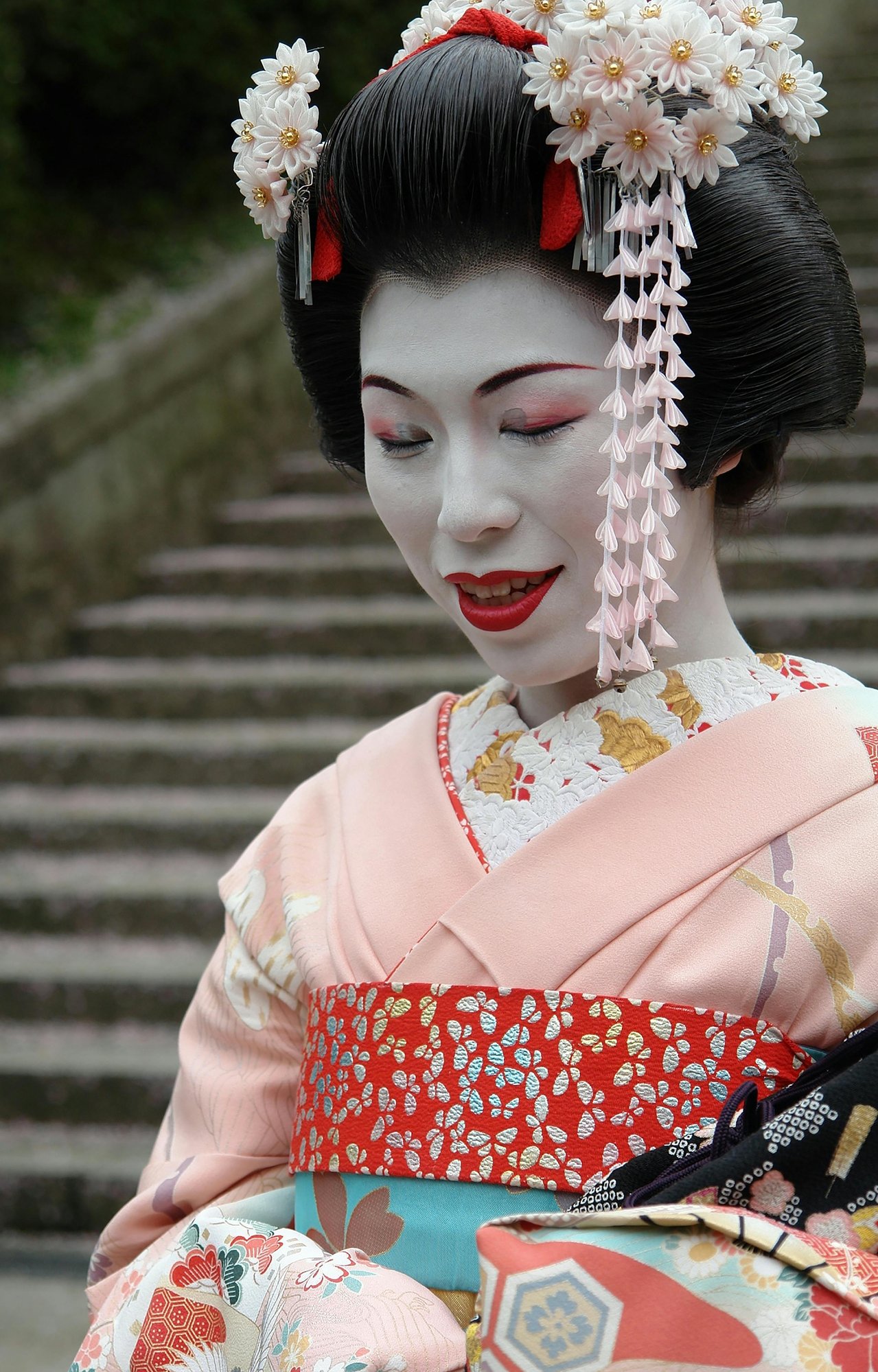
Have you heard of geishas? They are highly respected traditional artists, experts in dance, music, and conversation. Their appearance is an art form: every part of their clothing and makeup has meaning, from the kimono to the hairstyle. It can symbolize their status, the season, and the stage of their career.

And what about the samurai? They were noble warriors who lived by a code of honor called Bushido, which promoted values such as bravery, respect, honesty, and loyalty. They were like medieval knights, but with katanas instead of swords.

pexels-bor-jinson-3583500-31277035

Discover Japan: Sleeping Japanese Style and Much More.

Traditional Japanese houses offer a unique and different experience in terms of furniture and lifestyle. They don't have beds or chairs like in Western homes. Instead of high beds and sofas, Japanese people use futons, which are thin mattresses placed directly on the floor. These futons are stored during the day to free up space and unfolded at night for sleeping.

The floor of traditional houses is covered with tatami, straw mats that provide a comfortable and flexible surface for sitting or sleeping. Tatami mats are not only functional but also have cultural and aesthetic significance, as their arrangement and maintenance are considered an art. Sitting on the floor on tatami mats, instead of chairs, encourages a more natural and relaxed posture. Immerse yourself in this tradition and discover a new way of living!

Are you going to miss out?

What do our travel insurance policies cover?

Our travel insurance covers a wide range of situations, from illness or accidents to flight cancellations or seasonal rental cancellations. Plus, if you need assistance, we're available 24/7 to help you with whatever you need.

Why trust Europ Assistance?

asistencia-365

24/7 Assistance

Always by your side,
wherever you need us.

red-internacional

International Network

Present in more than 200
countries and territories

proteccion-360

360º Protection

Before, during and
after the trip.

equipo-medico-propio

Own Medical Team

Healthcare professionals specializing in transfer medicine.